Pairwise
For the past two and a half years, I’ve been sorting through the 45,000 photos in my camera roll to find satisfying visual rhymes. When I find a pair I love, I research the history behind each image—sometimes digging through archives, sometimes traveling to the site where the picture was taken—and write an essay connecting them.
Now, I’m bringing this project into the physical world: first as a limited preview edition of 100 copies shipping in time for the holidays, and eventually as a full-length book.
As I go, I’m sharing my progress in a behind-the-scenes production journal tracking the process of turning idea into book: writing, picking images, printing and binding.
Subscribe to follow along behind the scenes and get early access to preorders for the limited-edition booklet.
What is it about?
I only include pairs of images which rhyme in interesting ways. This constraint drives the whole project, and it means that the book doesn’t focus on a single subject.
That said, some themes are emerging in the texts I’ve written to join the images together:
- the pleasures of unexpected connections
- what we choose to remember and what we choose to forget
- how rich and delightful and surprising visual experience can be
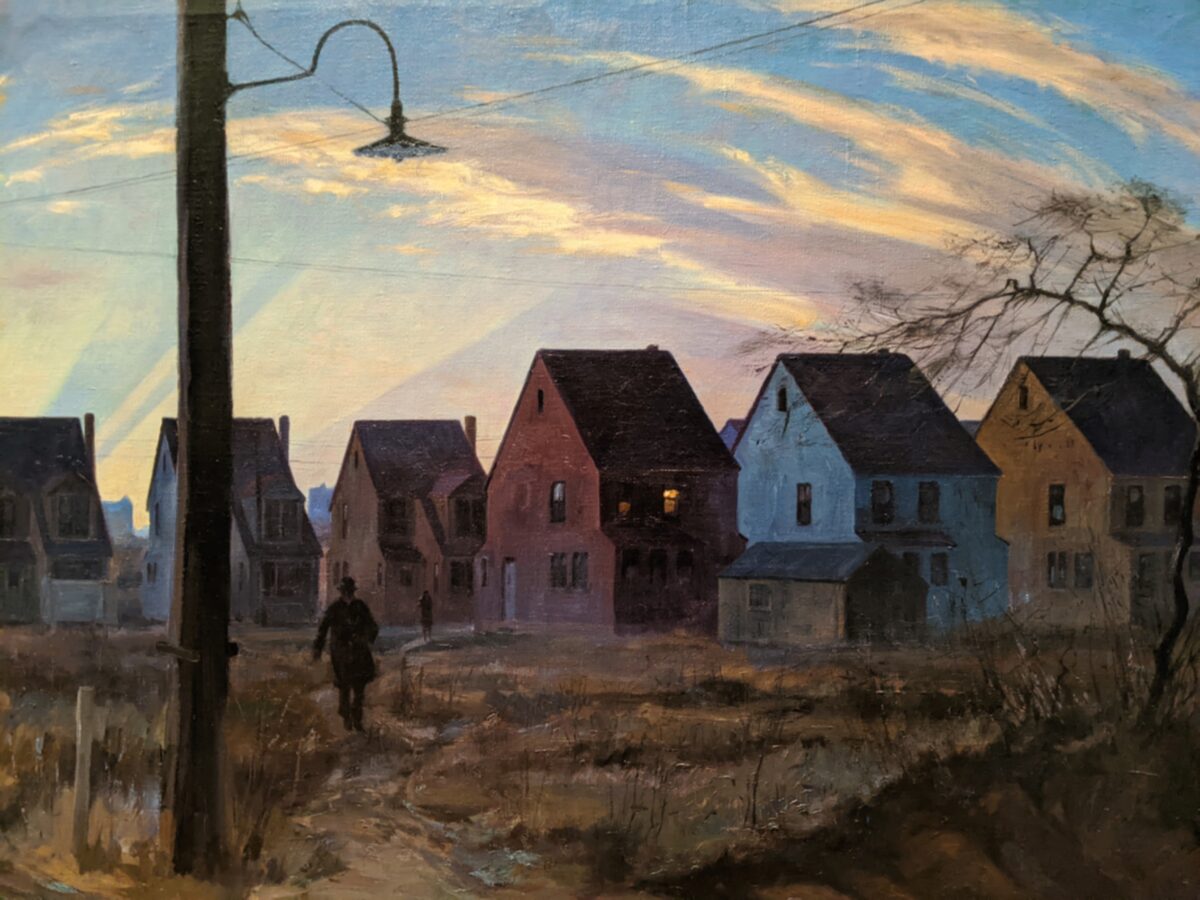
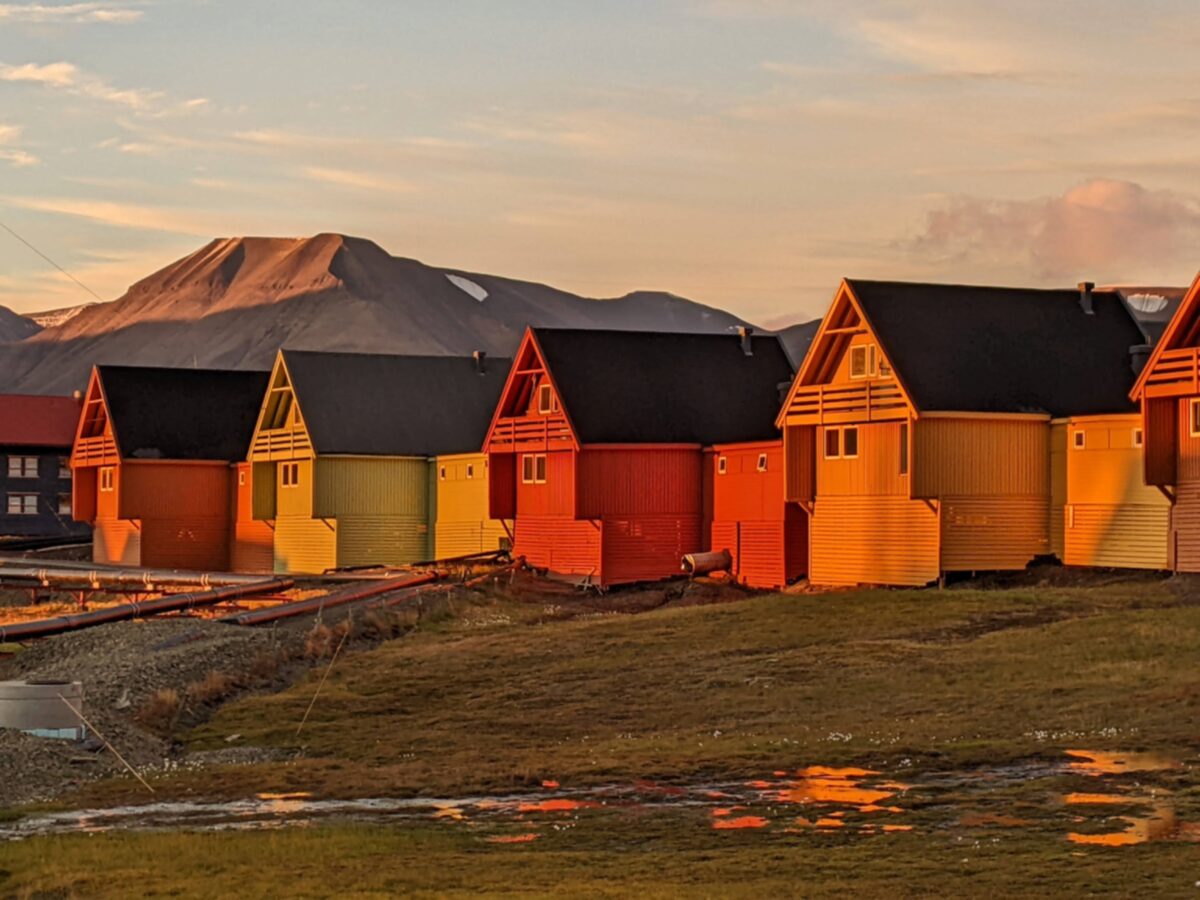
AI-enabled literature
The 45,000 images I took between 2008 and 2024 yield more than two billion potential pairings. This is too many to sort through by hand, so I use AI tools (image embeddings) to help me identify the most promising pairs. Even with the help of these tools, I still look through hundreds and hundreds of pairs of pictures to find just a few that speak to each other.
The pattern of two rhyming images joined by text is a new literary structure, a new kind of constraint, like the sonnet or the haiku or Dante’s terza rima. AI supports this literary structure in the same way that a thesaurus makes it easier to write rhyming poetry. This project is my answer to the question of how writers might use humanity’s new tools to expand what literature can be.
I never use AI to do the writing or make the decisions. Every word is my own, and everything I write is grounded in real, human facts and feelings.